
Normandy day trips from Paris
On June 6, 1944, Allied forces landed on 5 beaches along the Normandy coastline in the largest amphibious assault in history. Walk the sand where it happened.
Most popular Normandy day trips
Book the most-loved tours of the D-Day beaches and memorials.
1 af 1 sider

About Normandy day trips from Paris
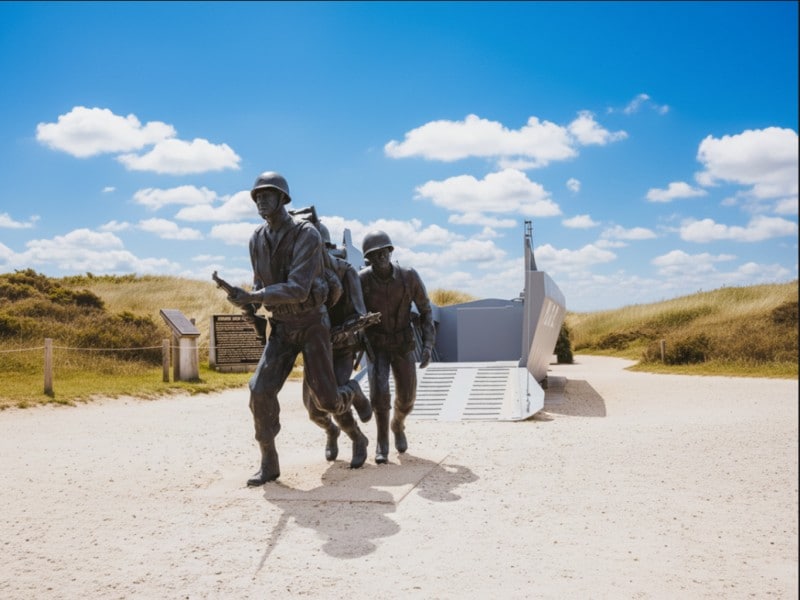
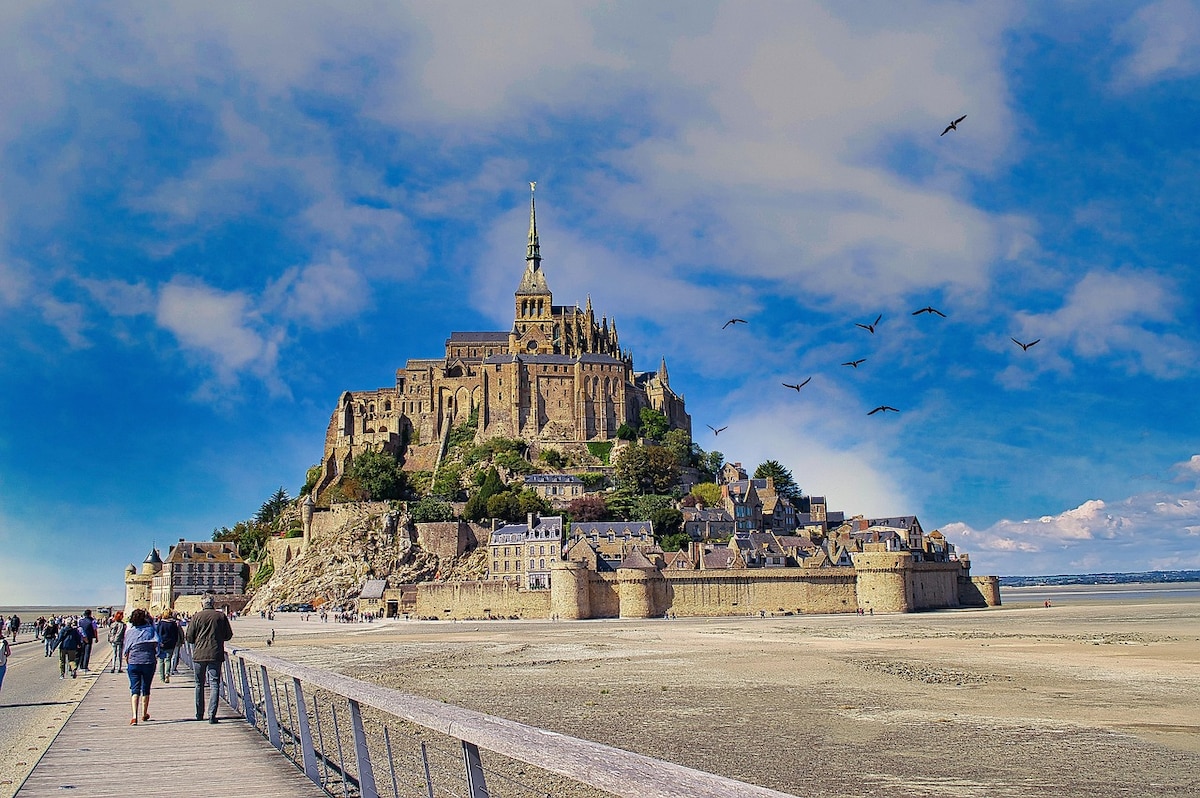
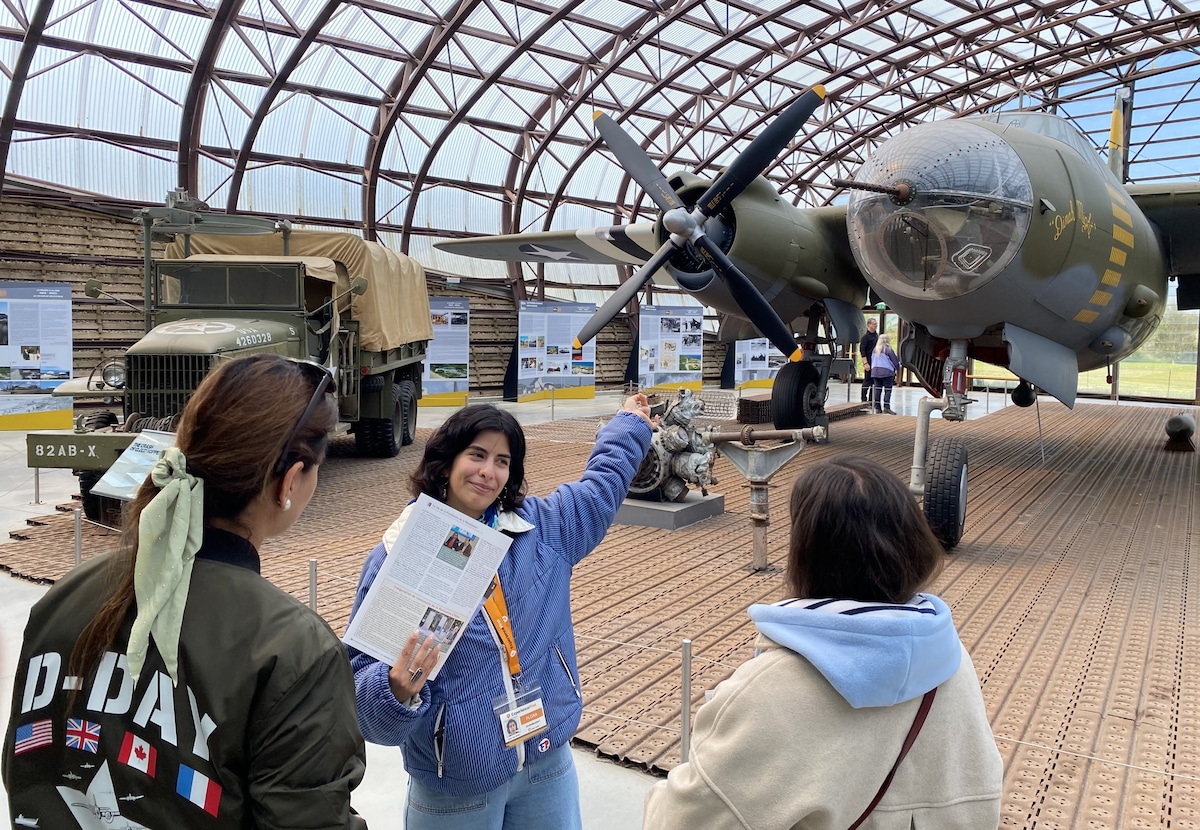
On June 6, 1944, Allied forces launched the largest seaborne invasion in history across 5 beaches along Normandy’s northern coast, changing the course of the war. Today those beaches, located roughly 3 hours northwest of Paris, are visited with quiet respect by people from around the world. At Omaha Beach, you can walk the same shore where American forces fought their way inland under heavy fire. Lining the bluffs above it, the American Cemetery at Colleville-sur-Mer holds row after row of white marble headstones looking out to sea. At Pointe du Hoc, the craters from the naval bombardment still mark the clifftop where U.S. Rangers scaled the cliffs. A local guide can teach you about the history, making the trip even more meaningful.
Top highlights for your visit

Omaha Beach
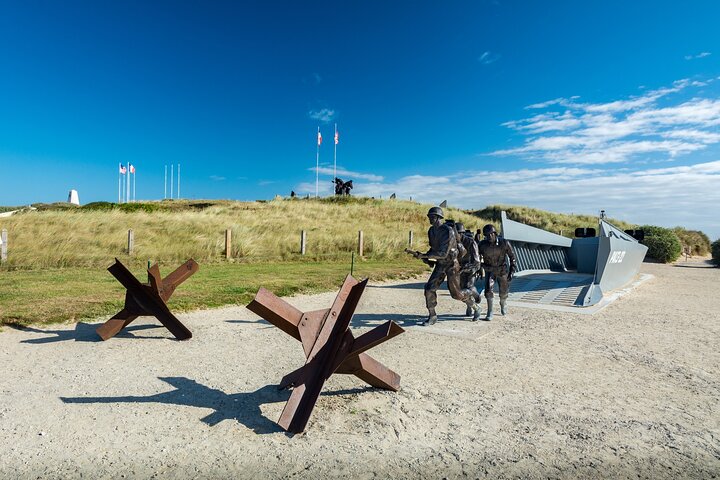
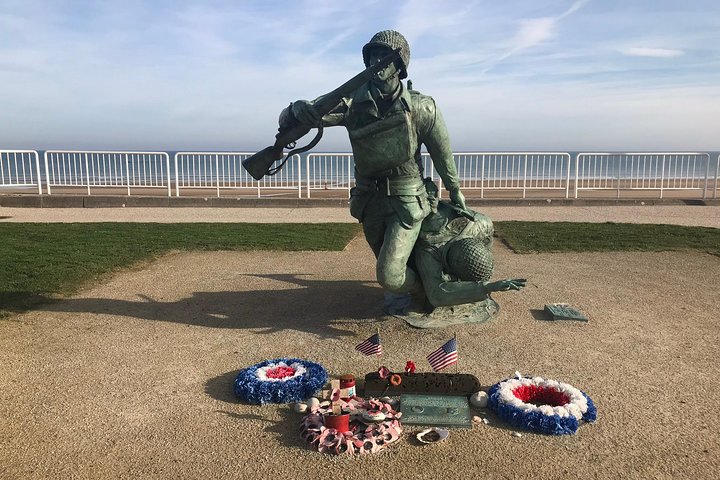
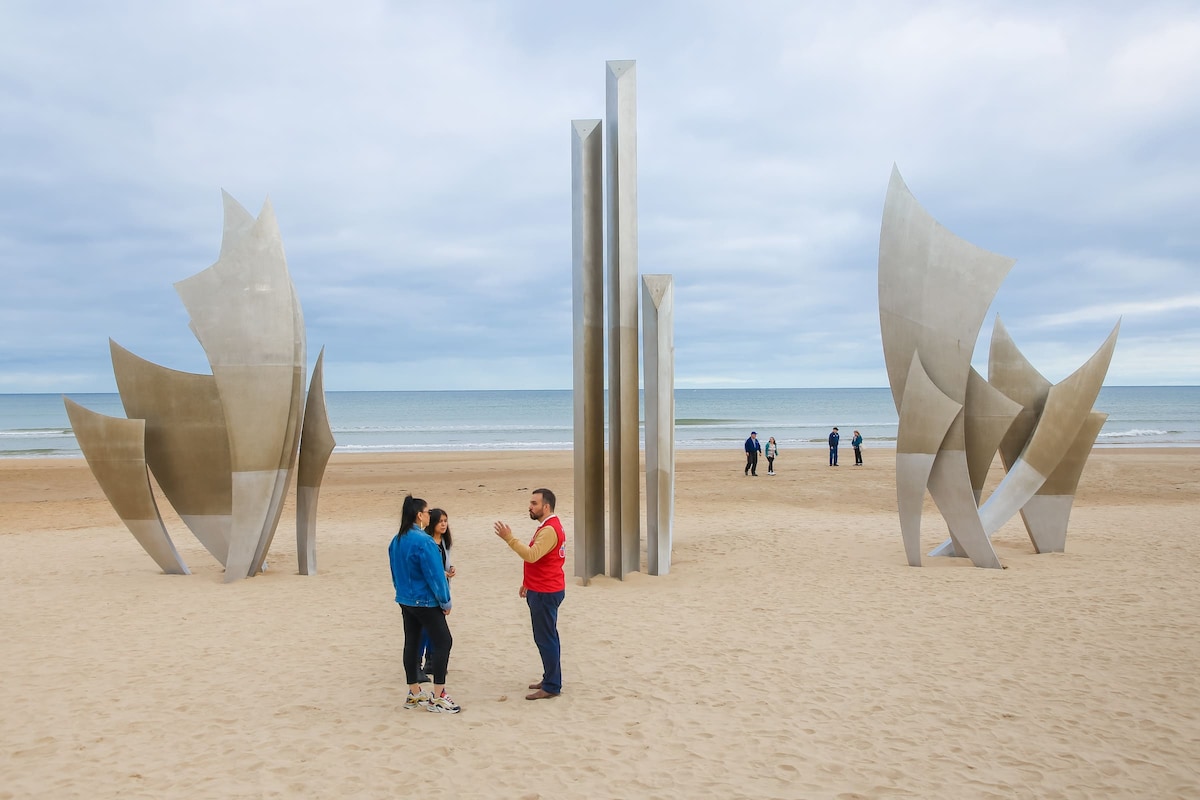
Omaha was the bloodiest of the five landing beaches, where American troops faced fierce resistance on the morning of June 6. Walking the wide, open sand today, it’s hard not to imagine what that day looked and sounded like. A guide can help bring the details into focus and make the history feel immediate and real.

The American Cemetery at Colleville-sur-Mer
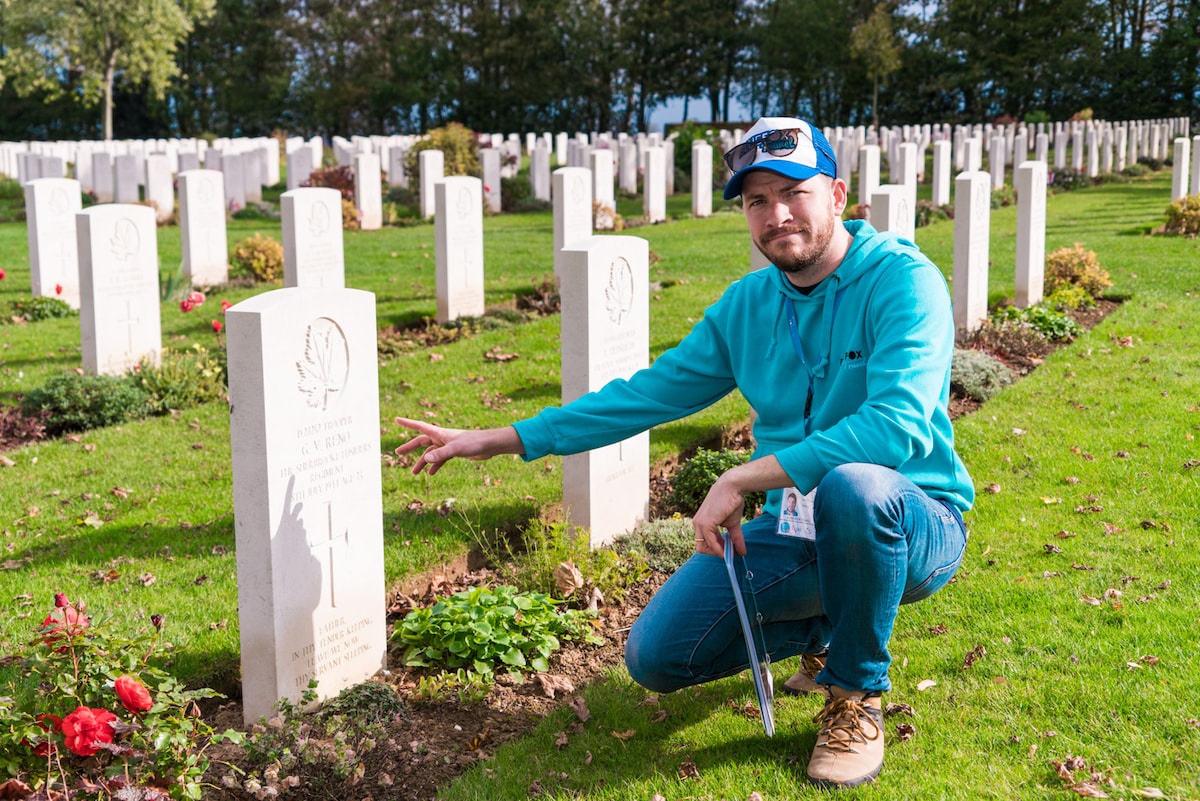
Above Omaha Beach, 9,387 white marble headstones stand in perfect rows overlooking the sea. The cemetery is immaculately kept, and the silence as you walk through it is striking. You may find yourself stopping to read the names and dates—and realizing just how young so many of them were.

Pointe du Hoc
Between Omaha and Utah Beach, the clifftop at Pointe du Hoc still bears the craters left when U.S. Army Rangers scaled those cliffs under fire to take out a German gun battery. Standing at the edge, looking down at the sea below, will give you a visceral sense of what was asked of the soldiers who climbed it.

Utah Beach and the wider landings
While Utah Beach forces met lighter resistance, their story is no less remarkable. This westernmost D-Day beach is where Allied paratroopers landed inland overnight to secure the exit routes and ensure the mission was successful. Many Utah Beach tours include a museum or memorial visit, giving you a fuller picture of how the entire operation came together.
Normandy day trips FAQs
Can you visit the D-Day beaches on a day trip from Paris?
You can, and it’s one of the most popular day trips from the city. The beaches are about 3 hours northwest of Paris, and guided tours typically last a full day, leaving early in the morning and returning by evening. A single day is enough to visit the key historical sites with a knowledgeable guide.
What are the D-Day landing beaches?
There are five: Utah, Omaha, Gold, Juno, and Sword. Utah and Omaha were the American sectors, Gold and Sword were British, and Juno was where the Canadian forces came ashore. Most tours from Paris focus on the American beaches, including stops at the cemetery and Pointe du Hoc, though some cover the British and Canadian sectors as well.
What will I see on a typical tour?
Most tours include Omaha Beach, the American Cemetery at Colleville-sur-Mer, and Pointe du Hoc. Some also visit Utah Beach, a D-Day museum, or one of the German fortifications along the coast. Your guide will walk you through the events of June 6 at each stop, so you understand not just what happened but why each site mattered.
Do I need to book in advance?
Yes, and the earlier the better. Small-group tours fill up quickly, especially in late spring and summer. Booking 2–4 weeks ahead gives you the best chance of getting the date and tour you want. Most hosts offer free cancellation up to 24 hours before the trip.
When is the best time to visit?
Late spring through early fall brings the best weather and the longest days. Early June carries special meaning along the coast, when ceremonies mark the anniversary of the landings. That said, visiting in the quieter months can be powerful too. The stillness of the empty beaches suits their historic nature.
How much do tours cost?
Guided day trips from Paris generally range from about $125 to $275 per person, depending on the group size and what’s included. Smaller private tours cost more, while large-group tours are more affordable. Most include transport from Paris and a guide, and some also include lunch.
Is the tour suitable for children?
It depends on the child. The D-Day sites are reflective places with emotional weight, so most guides suggest excluding children under 7. That said, many families find it to be a deeply meaningful experience, and a good guide will knows how to make the history accessible for younger visitors too.
Can you visit without a car?
You can. Guided day trips are the simplest option, since they include transport to and from Paris. If you’d rather travel independently, trains from Paris can reach Bayeux in under 3 hours. From there, you can arrange for a local guide or taxi to the beaches. Keep in mind, the sites are spread across a wide stretch of coastline, so having a guide and transportation makes the day much easier.
Things to know about Normandy day trips
Entry
- Book popular day trips 2–4 weeks ahead, as the best ones fill up early.
- Guided tours leave central Paris in the morning and return by evening, with free cancellation up to 24 hours before.
- Trains from Paris reach Vernon, Rouen, and Bayeux, but independent travelers will have to make local arrangements from there.
What to bring
- Wear comfortable shoes for walking, since most trips cover uneven ground, gardens, and sand.
- Bring layers and a rain jacket, since the coast is cooler and windier than Paris.
- Don’t forget a water bottle and a camera, plus a little cash for farm and cider-house stops.
Important information
- The region is large, so most day trips focus on one area rather than all of it.
- Tours often include a lunch stop, though the meal itself is not always covered.
- At the D-Day sites, visitors should maintain a quiet and respectful presence.